Flow Examples
There are two categories of flows in AP2: Human Present and Human Not Present.
- Human Present: The User directly approves the closed Checkout and Payment Mandates.
- Human Not Present: The User approves open Checkout and Payment Mandates while the Agent, acting autonomously, presents them along with Agent-signed closed Checkout and Payment Mandates.
A Human Not Present flow can be turned into a Human Present flow by the Merchant
(or Credential Provider) returning an unresolved_constraint error and
bringing the User back into the loop to approve the closed Mandates.
All flows below are non-normative examples. They assume that appropriate enrollment and any necessary User Credentials have been set up in advance.
Human Present
This is the direct flow where the User is present to directly approve the
closed Payment and Checkout Mandates.
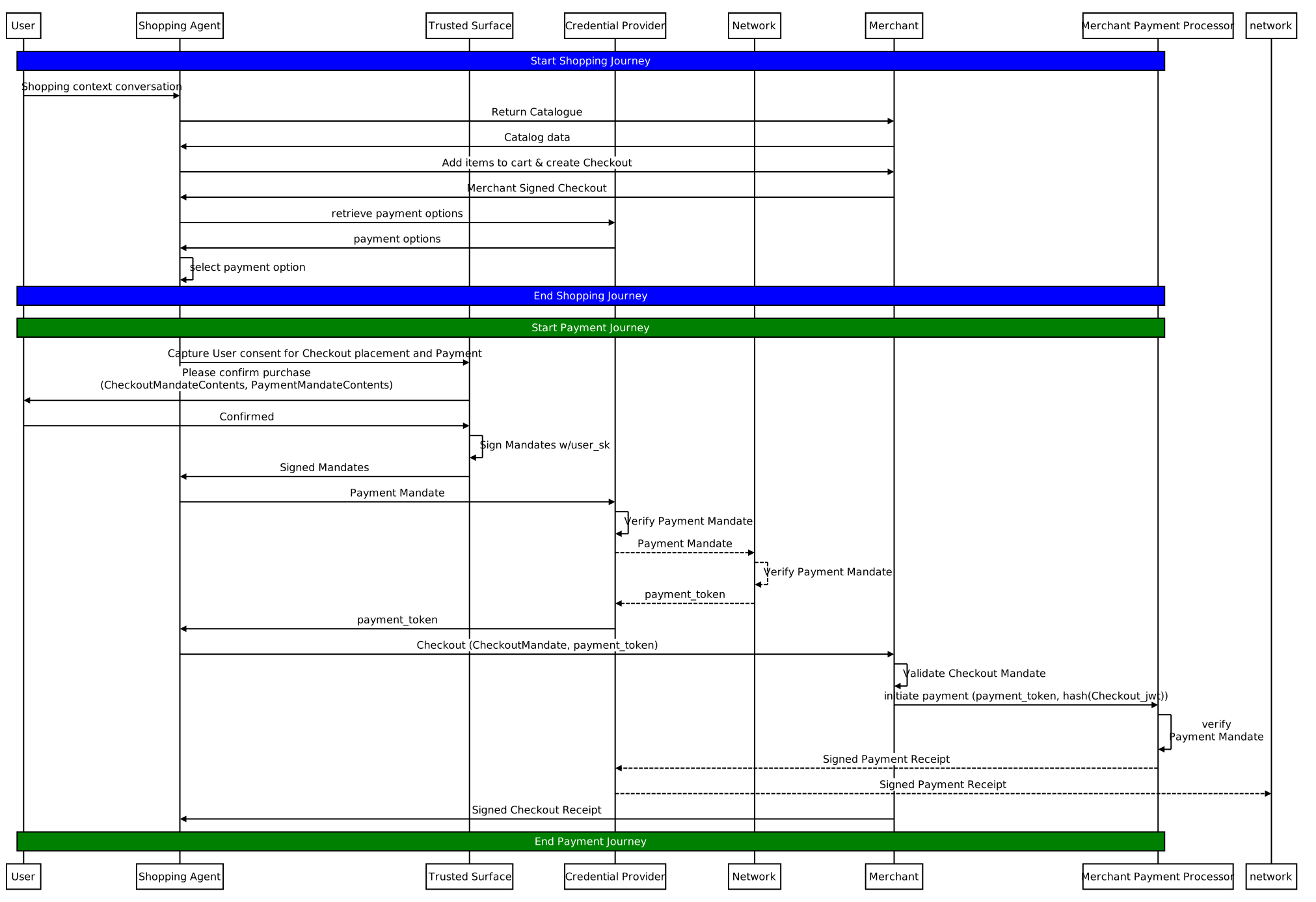
There are two phases to this flow:
Phase 1: Shopping
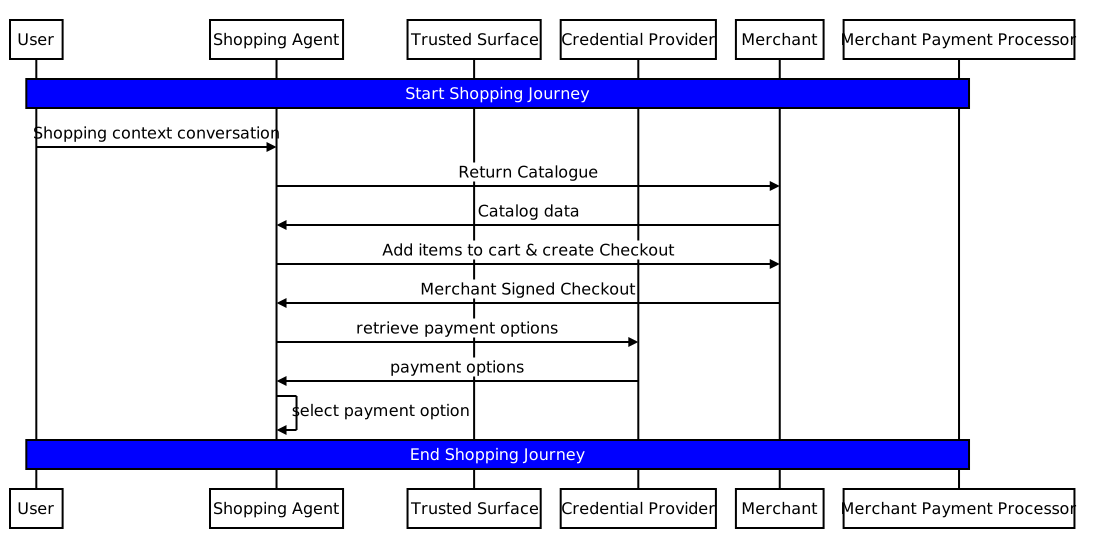
- User initiates shopping with the Shopping Agent.
- The Shopping Agent communicates with the Merchant and assembles a cart.
- The Shopping Agent goes to Checkout. The Merchant creates a signed Checkout and requires an appropriate mandate to continue.
- The Shopping Agent retrieves existing Instrument Options from the Credential Provider and selects one.
Phase 2: Payment
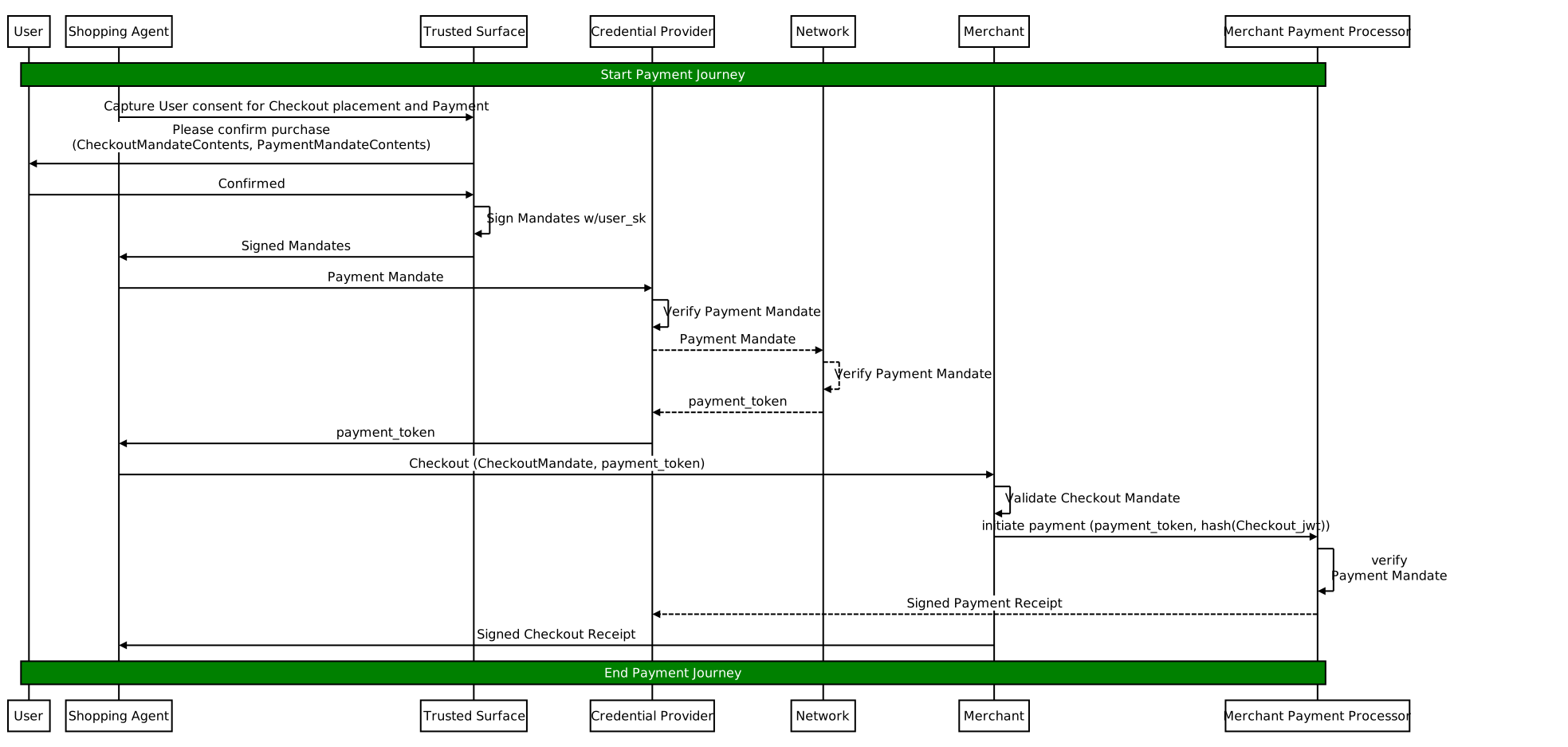
- The Shopping Agent constructs Payment and Checkout Mandate Content and
requests user approval via a Trusted Surface.
- This could use an external Trusted Surface with the User Credential model, or an internal one using the Trusted Agent Provider model.
- The Trusted Surface renders the Mandate Content and obtains user authentication (e.g., biometric) and consent.
- The Trusted Surface uses
user_skto sign and create the Payment Mandate and Checkout Mandate.- The
checkout_jwthash is used to permanently link the Mandates. - The
user_skwould be the Agent Provider's key in the Trusted Agent Provider model.
- The
- The Trusted Surface passes the Mandates back to the Shopping Agent.
- The Shopping Agent passes the Payment Mandate to the Credential Provider,
who verifies it and creates a payment token.
- As part of this process, the Credential Provider may share the Payment Mandate with the payment network and receive a scoped purchase credential (also called a token).
- The Shopping Agent sends this token and the Checkout Mandate to the Merchant.
- The Merchant verifies the integrity and content of the Checkout Mandate
against the current cart state, then initiates the payment with the token
and
checkout_jwthash. - The Merchant Payment Processor verifies the included Payment Mandate in the
token and the binding with the
checkout_jwthash. - The MPP-signed Payment Receipt is returned to the Shopping Agent, Credential Provider, and Network, and the Merchant-signed Checkout Receipt is returned to the Shopping Agent to indicate success.
Human Not Present
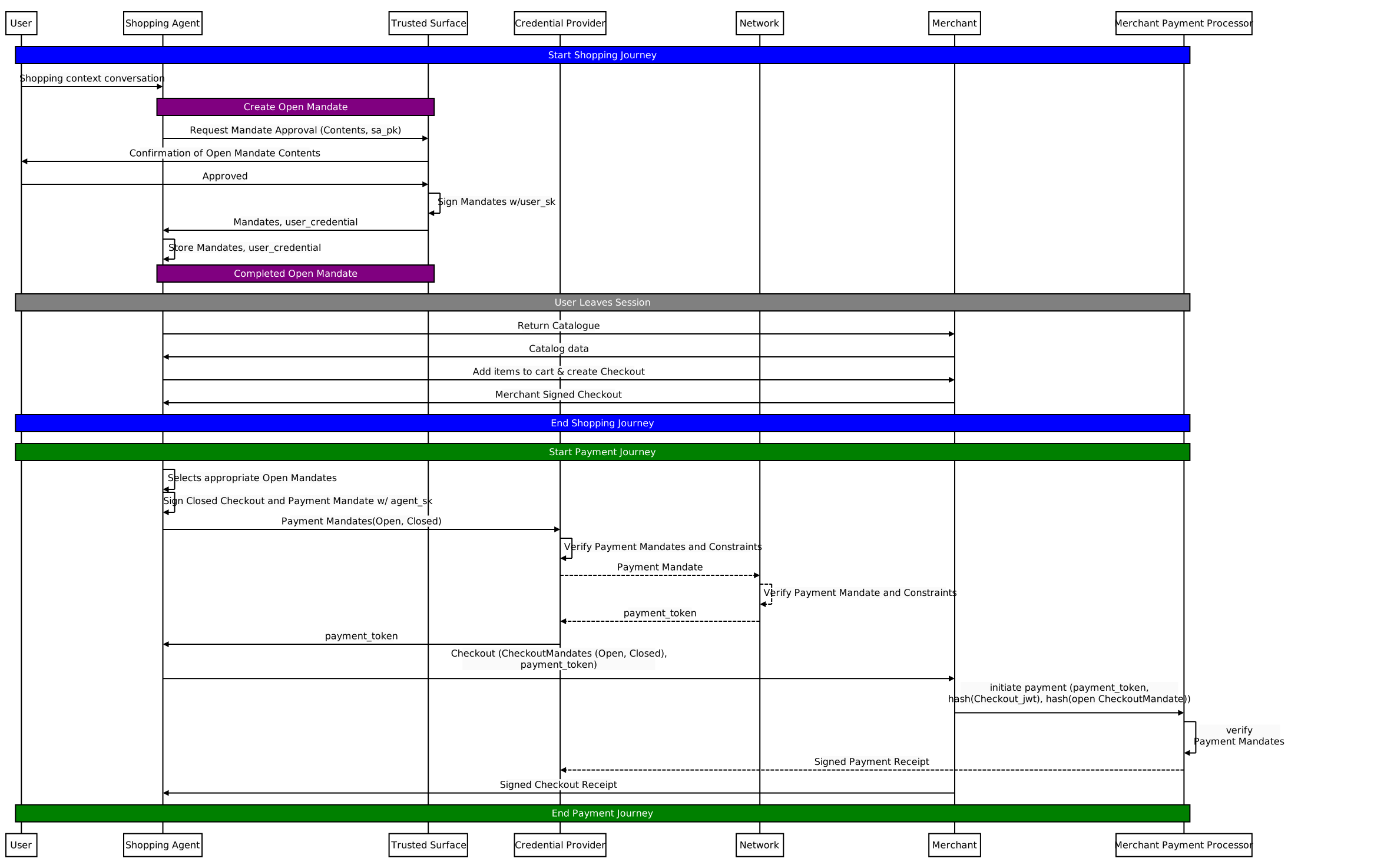
Phase 1: Shopping
In the Human Not Present flow, the Shopping phase is split in two. In the first phase, the User sets a shopping task for the Agent. In the second phase, the Agent acts autonomously to complete the task without further human interaction.
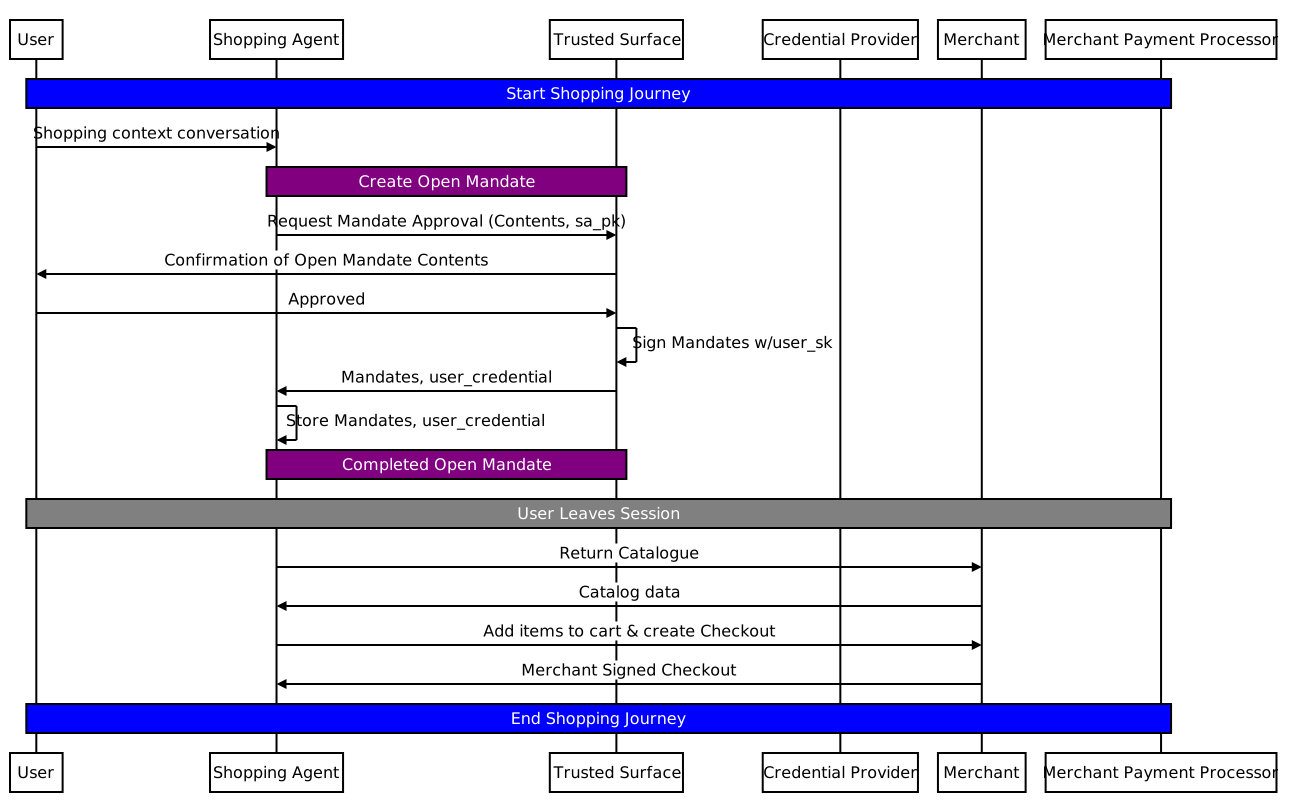
Phase 1a: Shopping (Human Present)
In this phase, the User provides the agent authorization for autonomous commerce in the form of open Checkout and Payment Mandates.
- User initiates shopping with the Shopping Agent.
- The Shopping Agent assembles the appropriate
openMandate Contents for the shopping session and requests user approval via a Trusted Surface.- This defines a set of constraints where the Shopping Agent can act without requiring further User authorization.
- The Trusted Surface renders the Mandate Content and obtains user authentication (e.g., biometric) and consent.
- The Trusted Surface uses the
user_skto sign and create the open Checkout and open Payment Mandates.- The hash of the open Checkout Mandate is included in the open Payment Mandate to permanently link them.
- The
agent_pkis included as a confirmation claim to sender-constrain the Mandate usage. - The
user_skwould be the Agent Provider key in the Trusted Agent Provider model.
The User now leaves the session, having delegated the shopping task to the Shopping Agent.
Phase 1b: Shopping (Human Not Present)
In this phase, the Agent autonomously assembles a Checkout it believes fulfills the assigned task.
- The Shopping Agent communicates with the Merchant and assembles a cart.
- The Shopping Agent goes to Checkout. The Merchant creates a signed Checkout and requires an appropriate mandate to continue.
Phase 2: Payment (Human Not Present)
In this phase, the Agent completes the checkout using the provided Mandates.
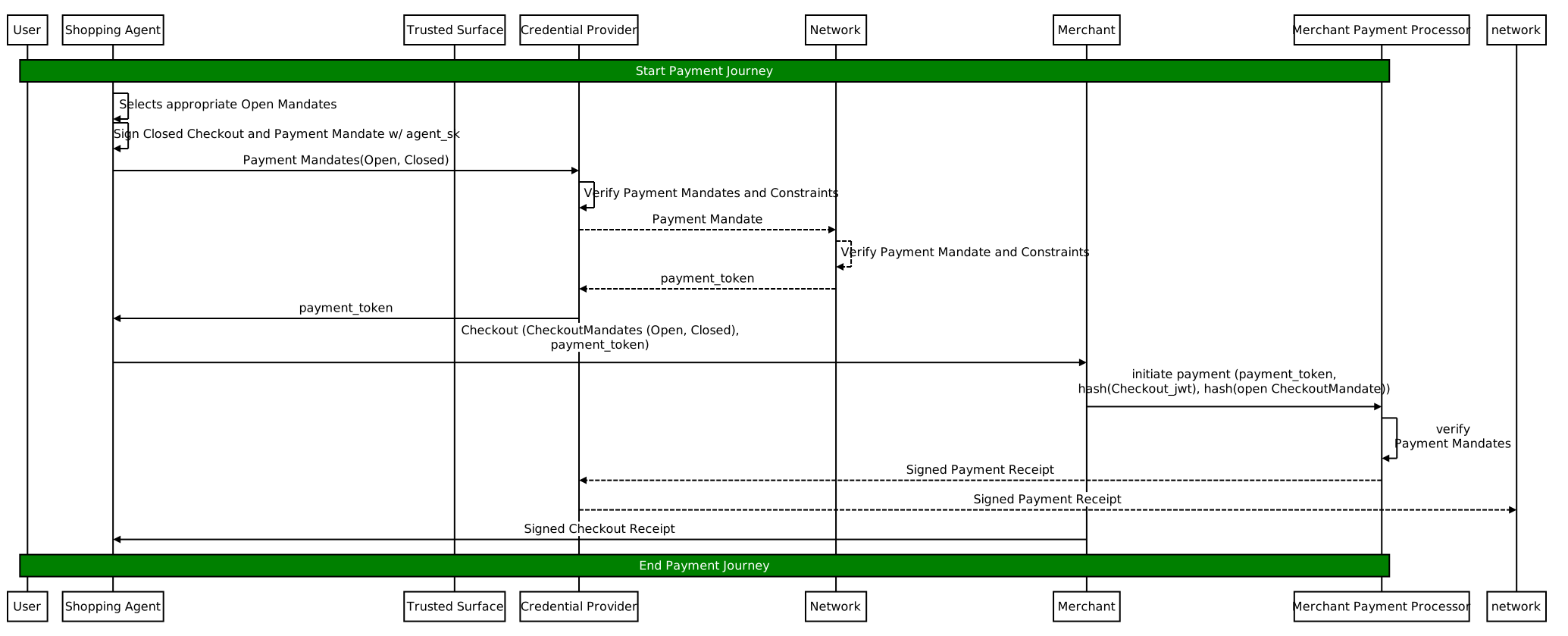
- The Shopping Agent selects the appropriate existing open Mandates whose
constraints apply to the incoming Checkout.
- The Mandate selection mechanism is outside the scope of this specification.
- To prevent double-spend, the Shopping Agent MUST NOT create multiple overlapping Mandates until it receives an Action Receipt indicating an error. See the Implementation Considerations section for more details.
- The Shopping Agent constructs the Payment and Checkout Mandate Contents and
signs both closed Mandates using the
agent_sk.- The
checkout_jwthash is used to permanently link them. - The
sd_hashproperty of thekb-sd-jwtis used to bind the closed mandate to the open one
- The
- The Shopping Agent passes the Payment Mandates (Open and Closed) to the
Credential Provider, who verifies them and creates a payment token.
- As part of this process, the Credential Provider may share the Payment Mandate with the payment network and receive a scoped purchase credential (also called a token).
- The Shopping Agent sends this token and the Checkout Mandates (Open and Closed) to the Merchant.
- The Merchant verifies the integrity and content of the closed Checkout
Mandate against the current cart state, and verifies that the constraints
in the open Checkout Mandate have been met. It then initiates the payment
with the token,
checkout_jwthash, and open Checkout Mandate hash. - The Merchant Payment Processor verifies the included Payment Mandates in the
token, as well as the bindings with the
checkout_jwthash and open Checkout Mandate hash. - The MPP-signed Payment Receipt is returned to the Shopping Agent, Credential Provider, and Network, and the Merchant-signed Checkout Receipt is returned to the Shopping Agent to indicate success.